Nobel Prize 2026
A light switch for brain cells wins the Nobel Prize
Karl Deisseroth, Peter Hegemann and Georg Nagel share the 2026 Nobel Prize in Physiology or Medicine for optogenetics, a way to switch nerve cells on and off with light. And it all began with a tiny alga that swims towards the light!
· USA and Germany
On 5 October 2026, the Nobel Assembly at Karolinska Institutet awarded the Nobel Prize in Physiology or Medicine jointly to Karl Deisseroth, Peter Hegemann and Georg Nagel, “for their discoveries concerning light-gated ion channels and optogenetics”.
It all began with curiosity. Peter Hegemann wondered how Chlamydomonas, a single-celled alga, manages to swim towards light. In the early 2000s, he and Georg Nagel discovered channelrhodopsin, a protein on the surface of the alga. When blue light shines on it, a channel opens, charged ions flow into the cell and an electrical impulse is made. Whichever cell they put the protein in became sensitive to light.
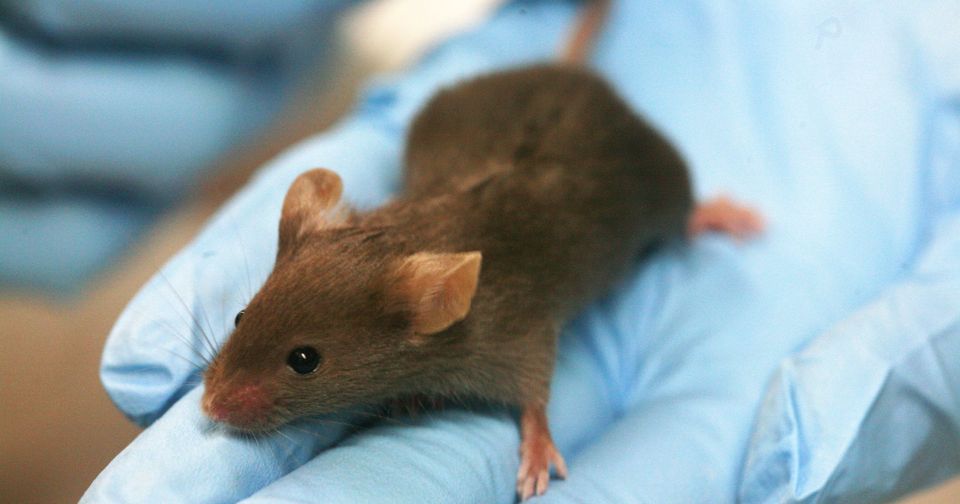
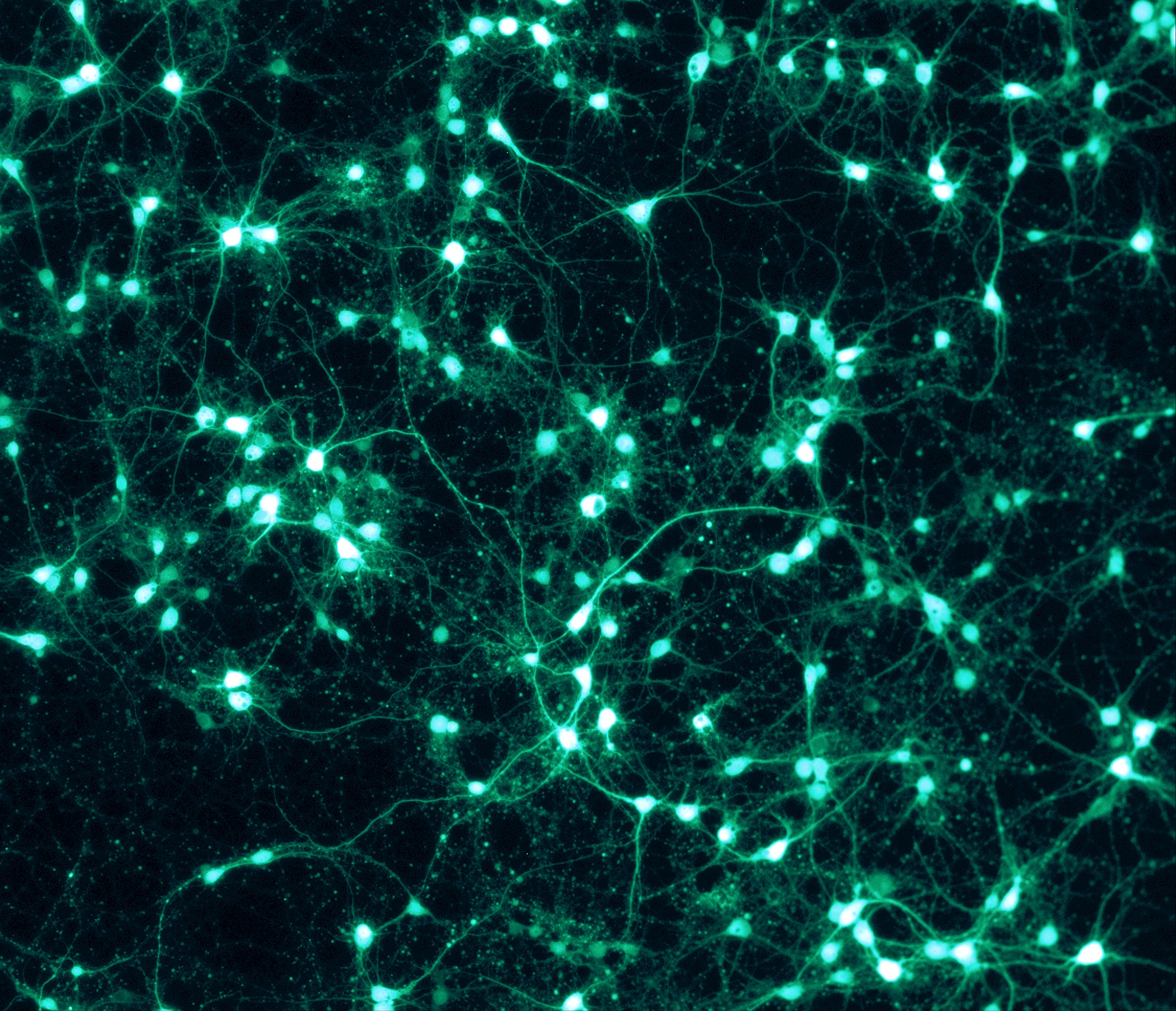
Karl Deisseroth then put the gene for channelrhodopsin into nerve cells from rats, and blue light set off a nerve signal. He published this in 2005. Two years later, his light switch worked in the brains of living mice.
Why it matters
For a long time, scientists could see which parts of the brain were linked to which jobs, but they could not prove what caused what. Optogenetics changed that.
With it, researchers have found the brain circuits behind particular memories, feelings and behaviours, including ones linked to neurological and psychiatric disorders. In clinical medicine, researchers are now using the method in attempts to restore sight in people with visual impairment.