Malaysian Pride
From KL to the “Oscars of Science”!
A Malaysian-born scientist has made history! Dr Swee Lay Thein is among the winners of the 2026 Breakthrough Prize in Life Sciences, recognised for research that helped pave the way for treatments for inherited blood disorders.
· Malaysia
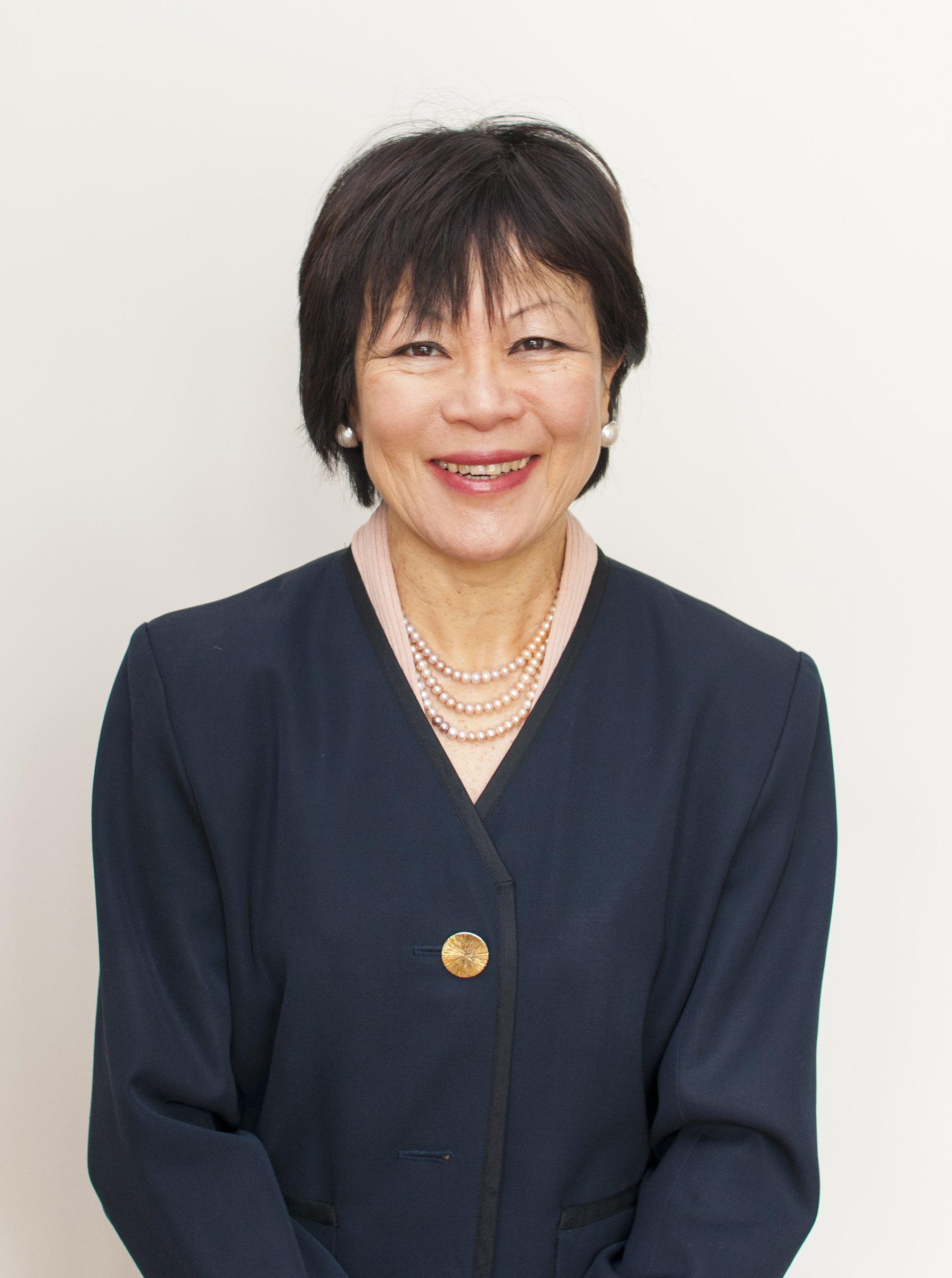
From Kuala Lumpur to one of the world’s biggest science prizes: here’s a Malaysian scientist whose story deserves to be shared!
On 18 April 2026, the winners of the 2026 Breakthrough Prizes, often called the “Oscars of Science”, were announced. One of the three prizes in Life Sciences went to Dr Swee Lay Thein, who was born in Kuala Lumpur, together with Dr Stuart H. Orkin of Boston Children’s Hospital and Harvard Medical School.
Each prize is worth US$3 million, and Malaysian media have reported Dr Thein as the first Malaysian-born scientist to win one. So what is the discovery behind the prize?
The discovery: why her research matters
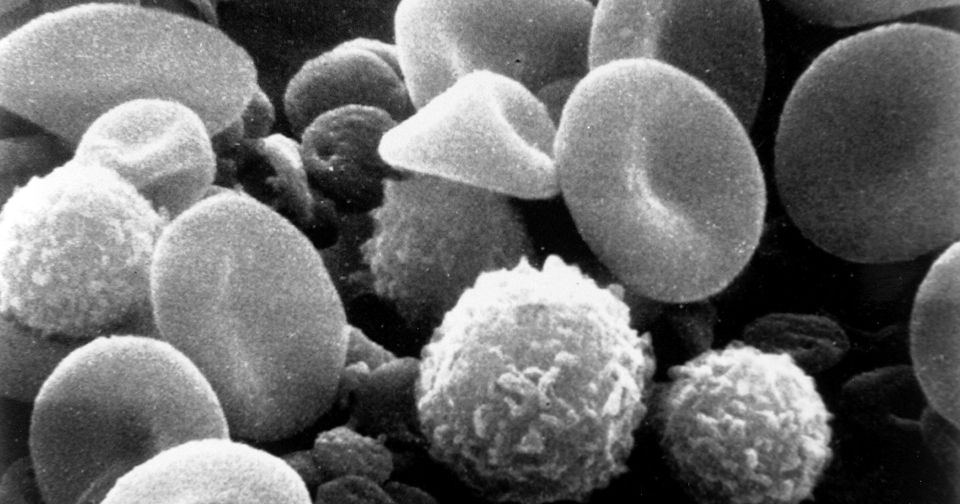
Haemoglobin is the protein in red blood cells that carries oxygen around the body. Before birth, a baby makes a fetal form of it. Around birth, the body switches over to the adult form.
In sickle cell disease and beta-thalassaemia, two inherited blood disorders, the adult form is faulty or made in too small amounts. Thalassaemia is close to home: it is the most common inherited blood disorder in Malaysia.
Doctors had long noticed something curious: people who keep making some fetal haemoglobin as adults can be less badly affected. So the big question was: what controls the switch?
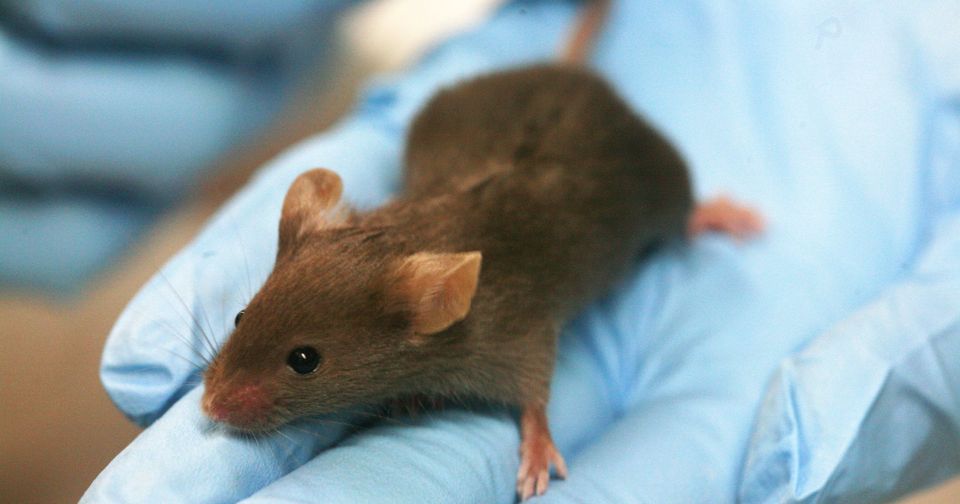
Dr Thein’s genetic studies traced the ability to keep making fetal haemoglobin to a gene called BCL11A, on chromosome 2. Dr Orkin’s laboratory then showed that BCL11A is the main “off switch” for fetal haemoglobin after birth: when it was switched off in mice, fetal haemoglobin came back and the signs of sickle cell disease disappeared. His team also found the stretch of DNA that turns BCL11A on in red blood cells only.
Together, these findings led to Casgevy, a gene therapy that uses CRISPR gene editing on a patient’s own blood stem cells to change that stretch of DNA, so their red blood cells make fetal haemoglobin again. The Breakthrough Prize Foundation describes it as the first CRISPR-based medicine approved for any disease.
The journey: from Malaysia to the world
Dr Thein was born in Kuala Lumpur, the seventh of nine children. She first planned to study biochemistry, until her brother-in-law persuaded her that medicine would open more doors.
She graduated from the University of Malaya and trained as a haematologist (a blood specialist) in London, then spent many years in Oxford at the MRC Molecular Haematology Unit.
In 2000 she became Professor of Molecular Haematology at King’s College London, and she led the Red Cell Centre at King’s College Hospital, caring for adults living with sickle cell disease. In 2015 she moved to the United States to lead the new Sickle Cell Branch at the National Heart, Lung, and Blood Institute, part of the US National Institutes of Health.
And this is not her first big honour for this work: she shared the 2024 Shaw Prize in Life Science and Medicine with Dr Orkin, and she was elected a Fellow of the Royal Society in 2025.
The inspiration: why we’re celebrating
Dr Thein’s story starts in Kuala Lumpur and runs through decades of patient, careful work: reading people’s DNA, following one clue, and seeing it grow into a treatment that is changing patients’ lives.
And she isn’t stopping. Her next hope, reported this year, is new medicines that prevent or stop the severe pain crises that people with sickle cell disease live with.
For students and young researchers in Malaysia, her path is a wonderful reminder: world-changing science can begin right here, with a good question and the patience to keep asking it.