Kavli Prize 2026
Brain cells make their proteins on the spot
Christine Holt, Kelsey Martin, Erin Schuman and Oswald Steward share the 2026 Kavli Prize in Neuroscience. They showed that nerve cells make proteins right where they are needed, far from the cell body, which helps the brain grow and learn.
· UK, USA and Germany
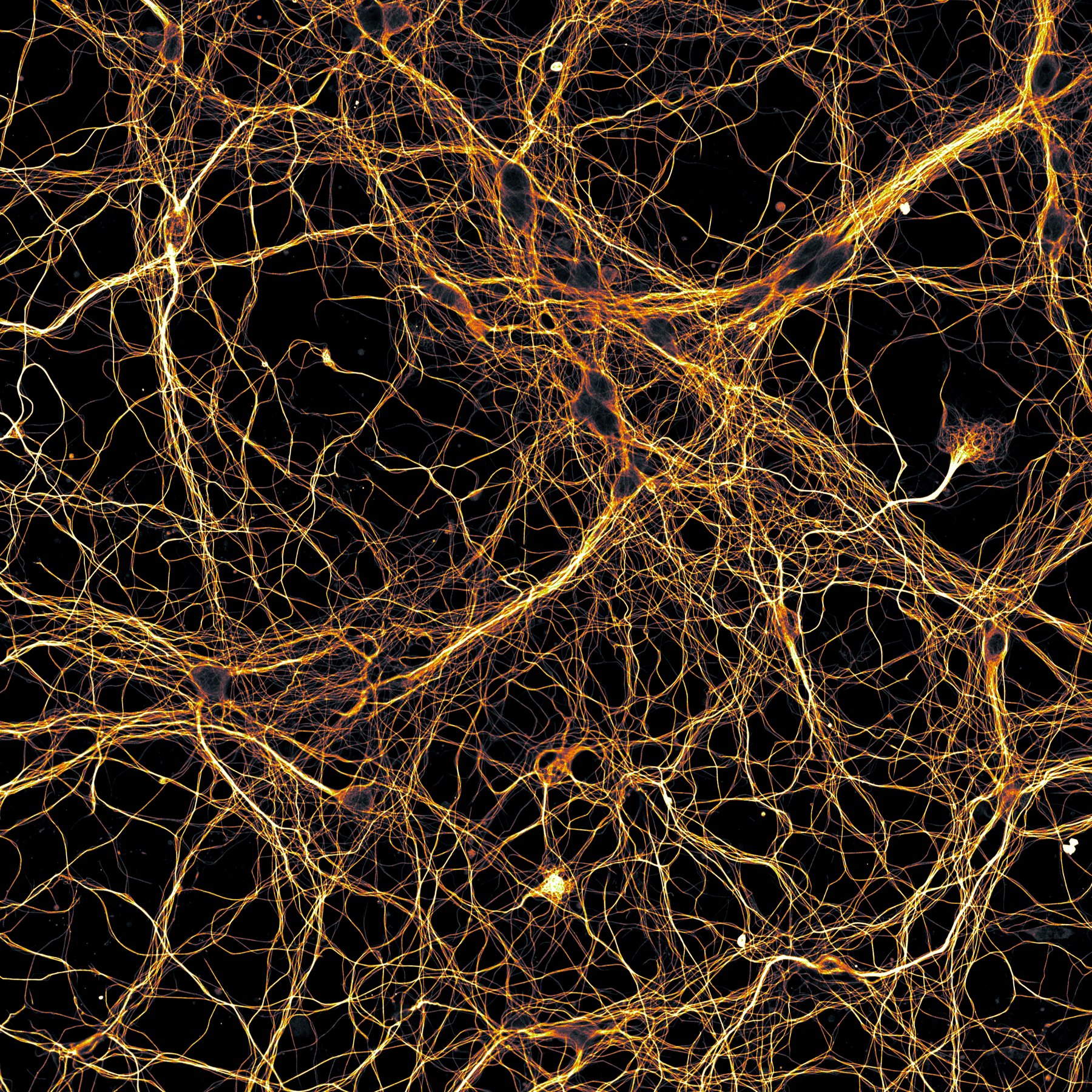
On 10 June 2026 in Oslo, the Norwegian Academy of Science and Letters announced the 2026 Kavli Prize in Neuroscience for Christine Holt, Kelsey Martin, Erin Schuman and Oswald Steward, “for the discovery of local protein translation in neurons and establishing its importance for brain development and plasticity”.
We can learn new things in minutes, like riding a bike or new words in a foreign language. That learning happens at synapses, the tiny junctions between nerve cells, and synapses need proteins. For a long time, scientists believed those proteins were made only in the cell body, and sending them out can take minutes or even hours.
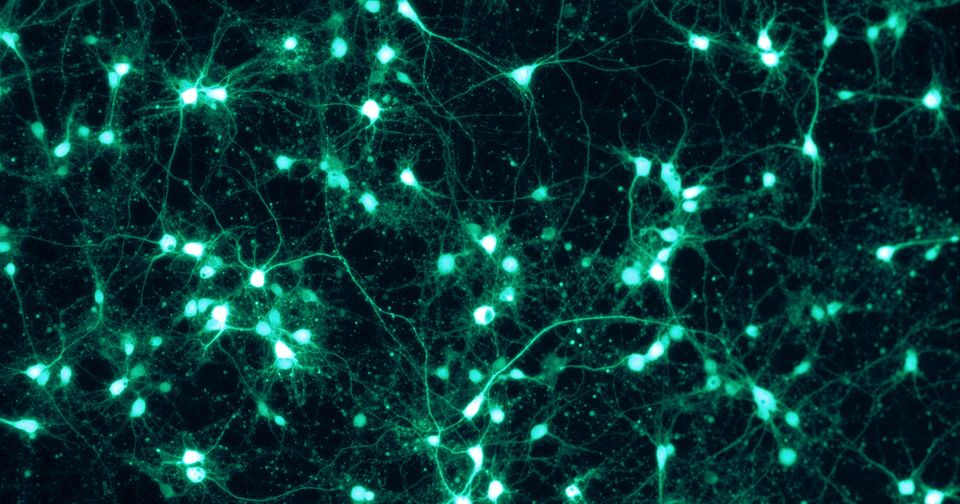
In 1982, Oswald Steward spotted protein-making machinery in the branches of nerve cells, far from the cell body. Later, Erin Schuman, Kelsey Martin and Christine Holt showed that these far-off branches really do make their own proteins, and need them to strengthen their connections and to find their way.
Why it matters
The cell body sends out mRNA, the recipes for proteins, ahead of time, so the proteins can be made on the spot. The Kavli Prize’s own explainer compares it to printing a new boarding pass at the airport gate, instead of going back to a crowded central office.
This process goes wrong in some brain disorders, such as Fragile X syndrome, and is affected in diseases such as dementia and ALS. Clinical trials are now under way to tackle these problems through local translation.