Very insightful webinar on RT-PCR by Dr. Ramya 👍🏻
Genomics and precision medicine
Read the genes behind your research question.
From scientist to scientist. Tell us your question and your samples. We match them to the right method, from a genotyping microarray to next-generation sequencing (NGS) or real-time PCR, for human, animal, plant and microbial studies. We help you design the study, get the data generated and understand what it means.
- 1. MatchYour question to a method
- 2. ConsultFree study consultation
- 3. GenerateThe data, with full QC
- 4. InterpretAnalysis and report to you
Start with your samples
Every good genomic study starts with three answers about your samples.
Which species, which sample type, and how many. Together with your question, these decide the method, the depth and the budget.
Species
Human, animal, plant or microbial. The microarray, exome and whole genome sequencing are for human samples; bacteria, viruses and phages have their own genome services.
Sample type
Number of samples
From a handful for a pilot to hundreds for a cohort. The count shapes which method gives you the most for your budget. Find the right method
Storage before sending
Labelled, frozen and sent with a sample list. Frozen DNA and RNA shipping is arranged by us. A preparation guide for your method comes with your quote.
Find the right method
Two questions, and we point you to a method.
Pick what you want to learn and the species you work on. It is a starting point: we confirm the choice with you in the free consultation.
Question 1
What do you want to learn?
Question 2
Which species?
Suggested method
Human Genotyping Microarray
Reads hundreds of thousands of known common variants in one run, at a cost per sample that suits large cohorts.
See what this service includes →
Plan this study with us →Need a few genes measured? Yes, we run real-time PCR.
Real-time PCR (RT-qPCR) for a handful of target genes, with reference genes and fold-change analysis. A quick, affordable way to test a hypothesis or confirm what sequencing found.
Choose your method
Microarray, sequencing or PCR: when and why.
Simple rule: known variants in many people, choose the microarray. New or rare variants, choose sequencing. Gene expression across the board, choose RNA-seq; a few genes, choose real-time PCR. Microbes, choose amplicon or shotgun sequencing.
| Method | What it reads | Best for | Species |
|---|---|---|---|
| Genotyping microarrayDNA chip | About 654,000 known variants across the genome in one run | Cohort studies, pharmacogenomics, ancestry and population genetics | Human only |
| Whole exome sequencingNGS · WES | Every base of the protein-coding genes, where most known disease variants sit | Rare disease, inherited conditions, finding new variants in genes | Human only |
| Whole genome sequencingNGS · WGS | The whole genome, genes and the regions between them | Variants outside genes, or when you need every base | Human; microbial genomes below |
| RNA sequencingNGS · mRNA and small RNA | Every gene being expressed, or every microRNA, and how strongly | Pathways behind a disease, a treatment or an environmental change | Any species |
| Microbiome sequencingNGS · amplicon and shotgun | The microbes in a sample, by marker gene or by all their DNA | Gut, skin, oral, soil and water communities; resistance genes | Any sample |
| Microbial genome sequencingNGS · bacterial WGS, de novo | The full genome of a bacterium, virus or phage | Strain comparison, outbreak tracking, new isolates | Bacteria, viruses, phages |
| Real-time PCRRT-qPCR | A few chosen genes or microRNAs, measured precisely against reference genes | Testing a hypothesis on known genes, or confirming RNA-seq results | Any species |
Not sure, or need a mix? Many studies screen with sequencing and confirm with real-time PCR. We decide it with you in the free consultation.
Our services
Every service, and what it includes.
Open a service to see what we do, what you receive, the sample we need and how long it takes. Prices depend on your sample count and options, so we quote each study.
Human genomics human samples
Whole Exome Sequencing (WES)Rare and new variants in the protein-coding genes6 to 8 weeks
- What we do
- About 100x average coverage of the exome (50x and 200x on request), mapping to the human reference, and SNP and small insertion/deletion calling with annotation.
- You receive
- Raw data (FASTQ), sequencing quality report, alignment file (BAM), variant call file (VCF), an annotated variant table in Excel, and a summary report.
- Sample we need
- Purified genomic DNA, at least 100 ng. Precious or low-input samples down to about 10 ng. No DNA yet? Our DNA extraction service takes cells and tissue.
- Recommended add-on
- Advanced variant analysis: filters for rare variants, gene and disease links and family or trio inheritance, then gives a shortlist of candidate variants matched to your phenotype or gene list, with a consultation with our Lead Scientist.
Reads the protein-coding genes only, about 1 to 2% of the genome. For the whole genome, see WGS.
Whole Genome Sequencing (WGS)Every base, coding and non-coding6 to 8 weeks
- What we do
- About 30x average coverage as standard, for confident variant calls in each person. About 10x is available as a lower-cost screen for cohort studies. Mapping, SNP and small insertion/deletion calling, and annotation.
- You receive
- Raw data (FASTQ), sequencing quality report, alignment file (BAM), variant call file (VCF), an annotated variant table in Excel, and a summary report.
- Sample we need
- Purified genomic DNA, at least 100 ng (200 ng recommended). DNA extraction from cells and tissue available.
Genotyping MicroarrayAbout 654,000 known variants, for many samples6 to 8 weeks
- What we do
- Illumina Infinium Global Screening Array, with about 654,000 genome-wide markers plus custom content. DNA extraction, sample QC, array processing and genotype calling are all included. Imputation to millions of variants is available.
- You receive
- Genotype calls for every sample in standard formats, a genotyping quality report (call rate, reproducibility, sample QC), and a summary report.
- Sample we need
- Saliva, whole blood, fresh or frozen tissue, cell pellet or buccal swab, and we extract the DNA. Or send genomic DNA, at least 200 ng. FFPE on consultation.
- Recommended add-on
- Advanced genotyping analysis: imputation, association across your groups, polygenic risk scores, pharmacogenomics, and ancestry and population structure, with a consultation with our Lead Scientist.
Reads a fixed panel of known variants, not the whole sequence. To find new or rare variants, see WES or WGS.
For every human study, please confirm that ethics approval and participant consent are in place before samples are sent. All services are for research use only, not clinical diagnosis.
Gene expression RNA
mRNA SequencingGene expression in human, animal and plant samples6 to 8 weeks
- What we do
- Stranded mRNA sequencing, 6 Gb per sample as standard (more on request), with mapping and a gene expression profile.
- You receive
- Raw data (FASTQ), sequencing quality report, mapping statistics, a gene expression table in Excel (read counts and normalised values), and a summary report.
- Sample we need
- Purified RNA, at least 0.2 µg (0.5 to 1 µg recommended), RIN 7 or above. Our RNA extraction service takes cells and tissue.
- Recommended add-on
- Advanced bioinformatics: differential expression between your groups, QC plots and heatmap, Gene Ontology and KEGG pathway analysis. Needs at least 3 biological replicates per group.
Small RNA (miRNA) SequencingMicroRNAs and other small RNAs6 to 8 weeks
- What we do
- About 20 million small RNA reads per sample as standard, with a small RNA expression profile and categories.
- You receive
- Raw data (FASTQ), sequencing quality report, mature miRNA expression table in Excel, expression by small RNA type, the share of reads in each small RNA class, and a summary report.
- Sample we need
- Total RNA that keeps the small RNA fraction, at least 100 ng (500 ng to 1 µg recommended), RIN 6 or above. Standard spin columns lose small RNA, so ask us, or use our small RNA extraction service.
- Recommended add-on
- Advanced small RNA analysis: differential expression of small RNAs between your groups. Needs at least 3 biological replicates per group.
Profiles small RNA only. For gene (mRNA) expression, see mRNA Sequencing.
Bacterial mRNA SequencingGene expression in bacteria6 to 8 weeks
- What we do
- Total RNA sequencing with ribosomal RNA removed (bacterial mRNA has no poly-A tail), 6 Gb per sample (about 60 million reads), mapped to the bacterial reference genome.
- You receive
- Raw data (FASTQ), sequencing quality report, mapping statistics, a gene expression table in Excel, and a summary report.
- Sample we need
- Purified total RNA, at least 0.2 µg (0.5 to 1 µg recommended), RIN 5 or above.
- Recommended add-on
- Advanced bioinformatics: differential expression, Gene Ontology and KEGG pathway analysis. Needs at least 3 biological replicates per group.
Microbes and microbiomes bacteria, fungi, viruses
16S / ITS / 18S / COI Amplicon SequencingWho is in a microbial community2 to 4 weeks
- What we do
- Sequencing of one marker gene: 16S for bacteria and archaea, ITS for fungi, 18S for eukaryotic microbes, or COI for animals and invertebrates. About 50,000 read pairs per sample, with ASV, taxonomy and diversity analysis.
- You receive
- Raw data (FASTQ), sequencing quality report, a table of the organisms found and their relative abundance, alpha and beta diversity, and a summary report.
- Sample we need
- Purified DNA, at least 30 ng. Fragmented DNA is fine. Our microbiome DNA extraction service takes stool (soil and others on request).
- Recommended add-on
- Advanced amplicon analysis: biomarker taxa between groups (LEfSe), predicted function for 16S data, publication-ready figures and a plain interpretive report. At least 5 samples for biomarker analysis.
Shotgun Metagenomic SequencingAll the DNA in a microbial community4 to 5 weeks
- What we do
- 6 Gb per sample for a standard microbiome; 15 Gb recommended for resistance genes or low-biomass, high-host samples. Taxonomic profiling with alpha and beta diversity.
- You receive
- Raw data (FASTQ), sequencing quality report, a table of organisms and relative abundance, alpha and beta diversity, and a summary report.
- Sample we need
- Purified DNA, at least 100 ng. Low-biomass samples such as infant stool down to about 10 ng. Stool DNA extraction available.
- Recommended add-on
- Advanced metagenomics: microbial gene families and metabolic pathways, and antimicrobial resistance gene (resistome) profiling.
Bacterial Whole Genome SequencingCompare strains against a known reference6 to 8 weeks
- What we do
- 2 Gb per sample (about 400x for a typical 5 Mb genome), mapping to a reference genome, SNP and small insertion/deletion calling, and annotation.
- You receive
- Raw data (FASTQ), sequencing quality report, alignment file (BAM), annotated variant call file (VCF), a variant table in Excel, and a summary report.
- Sample we need
- Purified genomic DNA, at least 100 ng (200 ng recommended).
- Optional add-on
- Advanced variant comparison: merges and filters variants across two or more isolates, for outbreak tracking or phylogenetics.
Needs a known reference genome. For a new isolate, see De Novo Genome Sequencing.
De Novo Genome SequencingBuild a new genome for bacteria, viruses and phages6 to 8 weeks
- What we do
- Sequencing and de novo assembly: the genome is rebuilt from the reads with no reference. For genomes up to about 10 Mb.
- You receive
- Raw data (FASTQ), sequencing quality report, the assembled genome (FASTA), assembly statistics (contig count, total length, N50), and a summary report.
- Sample we need
- Purified genomic DNA, at least 100 ng (200 ng recommended), as free of host DNA as possible. Low phage or viral yields? Talk to us first.
- Optional add-on
- Gene annotation and orthologous gene comparison, on request.
Sequencing several phages or viruses? Ask about pooling samples to lower the cost per genome.
Real-time PCR RT-qPCR
Real-time PCR Gene ExpressionSYBR Green, probe-based, or microRNA14 working days
- What we do
- A full service: RNA processing, reverse transcription and real-time PCR in technical triplicate, for your target genes against reference genes. Choose SYBR Green or probe-based detection for genes, or a microRNA assay. Primer design and validation available.
- You receive
- Raw data (Ct values), fold change between your groups, and outlier analysis.
- Sample we need
- For example, at least 5 million cultured cells, 100 million yeast cells, or 30 mg of tissue per sample, labelled by number in tubes.
Turnaround counts from the day the assay is completed.
Turnaround times count from receipt of samples that pass quality checks. Need DNA or RNA extracted first? We offer extraction for cells, tissue and stool.
How the service works
Collect. Generate. Interpret.
01 · Sample collection
In the Klang Valley, samples are picked up at an agreed time. Outside the Klang Valley, the courier and the paperwork are arranged. Packing supplies are available on request, one week ahead.
Samples → laboratory
02 · Data generation
Extraction, quality checks, library preparation and the run are carried out for every sample. Real-time PCR is run in our own lab; microarray and sequencing are run with our laboratory partner. Any sample that fails a quality check is flagged before the run.
Samples → data
03 · Analysis and report
Bioinformatics analysis is performed and a plain report of the findings is delivered, followed by an after-service consultation to walk through the results.
Data → insight
What the report includes
- Sequencing quality report, with any sample that did not pass
- Your raw data files (FASTQ), to keep and re-analyse
- Processed results by method: variant calls, expression tables, taxonomy or genotypes
- A plain summary report and a downstream analysis guide
- Your data on the Prima Nexus portal's visualisation tools
- With an advanced analysis add-on: figures such as volcano plots and heatmaps, and a consultation with our Lead Scientist
Research we support
Trusted by Malaysian researchers.
From our participants
What people say about our real-time PCR webinars.
Today webinar on RT-PCR is very insightful and helpful for my study. Lots of new knowledge gained as some we might be misslook
Very informative views on qPCR.
Shown in full, as written on Google. The score, the count and the newest reviews update every Sunday. To have your own review taken off this page, contact us.
Joint Research Program · JRP 1.0
For Malaysian researchers: collaborator pricing on RNA sequencing, the genotyping microarray and exome sequencing, with support from study design to interpretation. Applications are open from 12 October to 30 December 2026. Read how it works and apply.
In the news
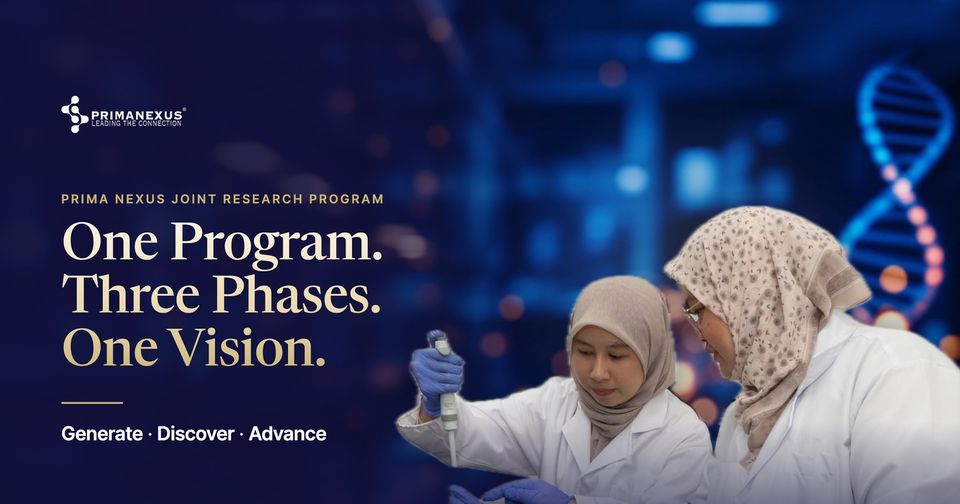
Genomics and real-time PCR in the news
Prima Nexus Collaborates With UKM's CORE on Hands-On Bioinformatics Workshop for Medical Genetics
“Bioinformatics for Medical Genetics: From Variant to Verdict” teaches researchers how to detect, annotate, prioritise and interpret genomic variants.
Read the story →
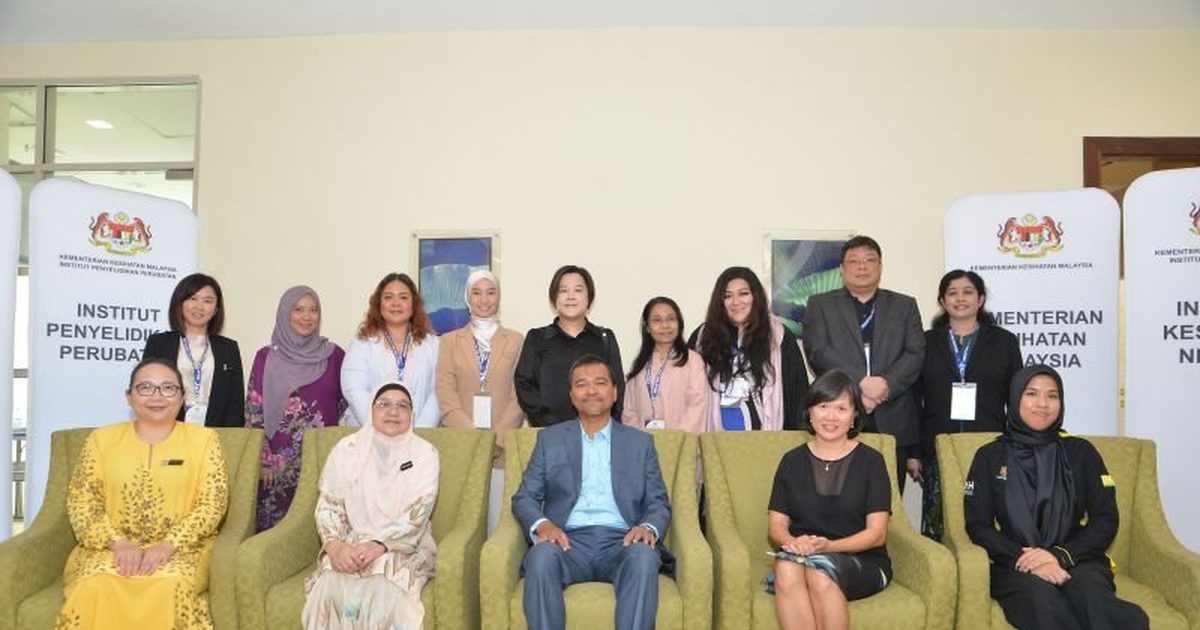
Prima Nexus Managing Partner Invited to National Workshop on Malaysia's Precision Medicine Strategic Plan
The Ministry of Health and MOSTI brought industry leaders, scientists and innovators together to help shape how precision medicine will be planned and delivered in Malaysia.
Read the story →
Prima Nexus ran a three-part online webinar series on real-time PCR in 2024, from the basics to the MIQE guidelines
Between June and October 2024, Prima Nexus ran three free online webinars on real-time PCR (RT-PCR): the basics of the method in June, the MIQE guidelines in July, and RNA and DNA extraction in October.
Read the story →Plan my genomic study
Request a genomics quote for your research.
Tell us your question and your samples: the species, the sample type, how many, and the method if you know it. A scientist replies with a suggested plan.
What happens next