Can Office Lighting Give Workers a Morning Boost? Measuring Melatonin for a UPM Study
Architecture researchers at Universiti Putra Malaysia tested dynamic lighting in a windowless office. Prima Nexus ran the urinary melatonin ELISA that tracked the body's response.
Case study · From a published paper · ELISA testing service

The challenge
Offices that are biologically dim during the day can cause health and performance problems. Dynamic lighting had been reported to help in Europe, but it had not been studied in tropical workplaces with little or no daylight. The UPM team set out to find lighting settings that give day-shift workers a morning boost.
What Prima Nexus did
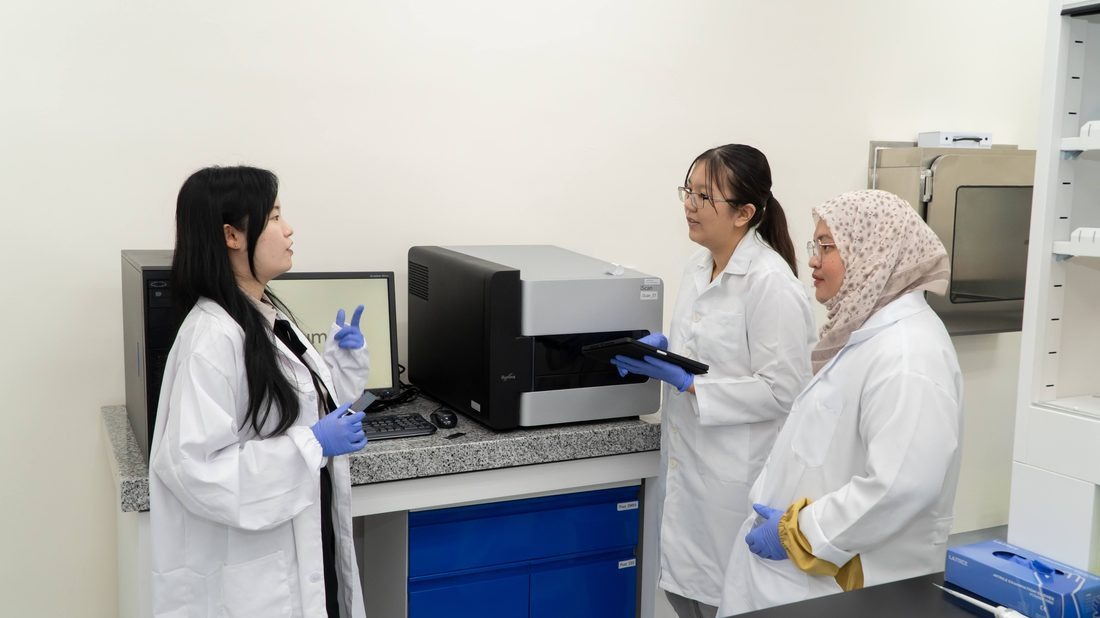
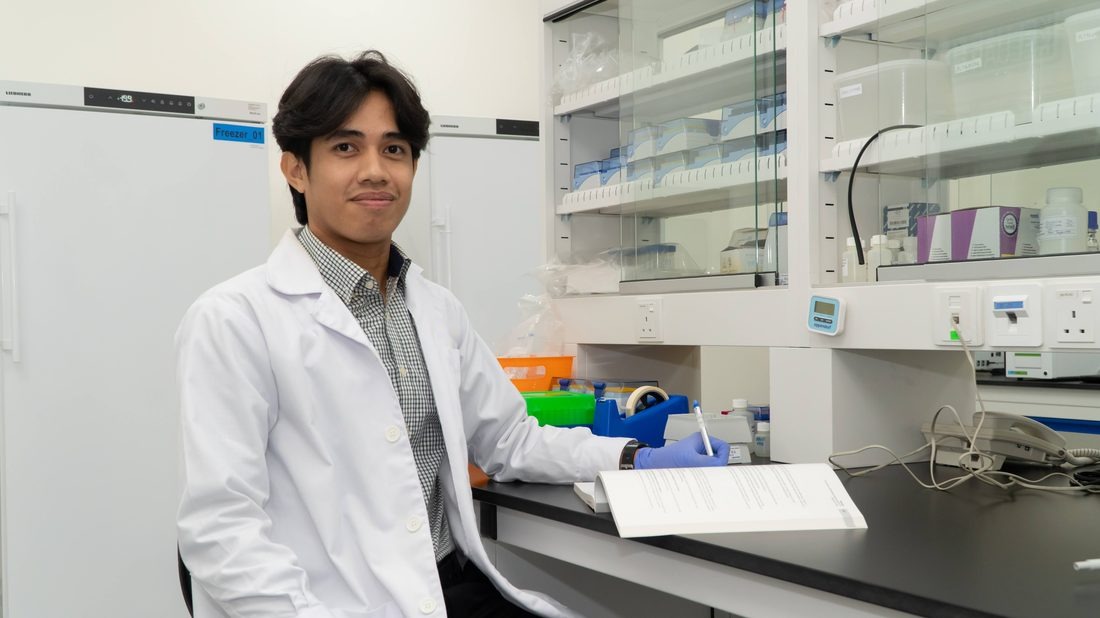
Alongside alertness, mood, visual comfort and task performance, the study tracked one physiological marker: urinary 6-sulfatoxymelatonin (aMT6s), the main breakdown product of melatonin. The samples were assayed with a highly sensitive melatonin sulfate urine ELISA, performed by Prima Nexus as the lab specialist at UPM.
What the study found
Two-hour morning exposures to overhead white LED light (6,500 K) at different levels and patterns were compared with a constant 500 lux. Only the settings that increased from 500 to 750 lux and from 500 to 1,000 lux supported most of the indicators: both suppressed urinary aMT6s and improved alertness, cognitive performance, positive mood and visual comfort.
An increasing pattern worked better in tropical Malaysia, the reverse of a Dutch protocol designed for winter. The authors see dynamic architectural lighting as a feasible way to support wellbeing in windowless offices.
Why it matters
A validated biomarker turned a question about how people feel at work into data the team could publish. Prima Nexus runs ELISA testing for research teams in and beyond the life sciences.
In the paper's own words
“The urine samples were assayed for aMT6s concentration using a commercially available, highly sensitive, Melatonin Sulfate Urine ELISA kit (RE54031; IBL International, Hamburg, Germany), performed by a private lab-specialist (Prima Nexus Sdn. Bhd.) in UPM.”
PLOS ONE, 2018, Methods
About Prima Nexus
Prima Nexus Sdn Bhd is a Malaysian research coordination group founded in 2014. It connects universities, research institutes and global technology partners, and runs eight scientific platforms under one roof: proteomics (including ELISA and Luminex multiplex immunoassays), genomics, flow cytometry, stem cell research, animal research, clinical trials, bioinformatics, and regulatory and grant support. Programmes it coordinates have supported more than 150 papers in peer-reviewed journals and research teams at more than 40 institutions across Malaysia. More about Prima Nexus.